Updated · Safety on the road
Choose where you stop, if you can
If the car is still moving, try for a lit place: a gas station, a store lot or a well-lit exit ramp. A dark stretch of freeway shoulder is the hardest place for other drivers to see you and for a technician to work. Driving a little farther with hazards on can make the whole wait safer.
Make the car easy to see
Hazard lights go on first. If you're staying inside, turn on the dome light so passing drivers and police can tell the car is occupied. Reflective triangles help, but set them out only if you can reach the spot without being near moving traffic.
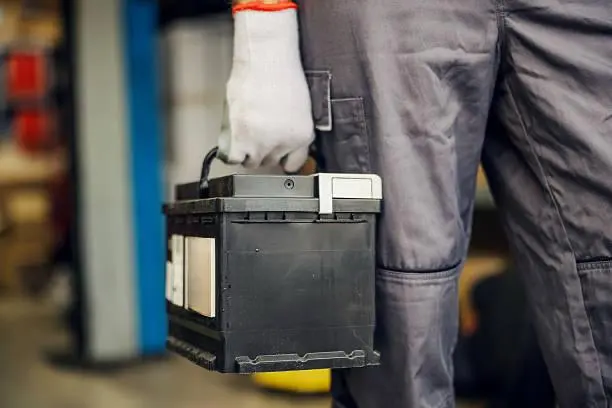
Hazards draw power, and a weak battery can go flat during a long wait with the engine off. That's a reason to call for help early, not to switch them off.
Lock up and keep your phone alive
Keep the doors locked and the windows up, lowering one only a crack to talk. Dim the screen and close apps to save your phone's battery, and plug into the car charger if the car still has power. Share your location with a friend or relative so someone knows where you are.
Check who is at your window
When a truck pulls up, stay inside and let the driver come to you. A technician you called will know your name, your car and the problem you described. Ask who they're with and what job they came for before you unlock anything.
If someone you didn't call stops to offer help, thank them through the glass and say help is already coming. If anyone makes you uneasy, stay put with the doors locked and call 911.
Leave the night work to the technician
Darkness makes small jobs harder: finding lug nuts, seeing battery terminals, spotting a nail in the tread. Your part is to stay safe and point out where the problem is. A few items in the car make that easier:
- A flashlight with fresh batteries
- Reflective triangles
- A phone charging cable
- A bright or reflective jacket